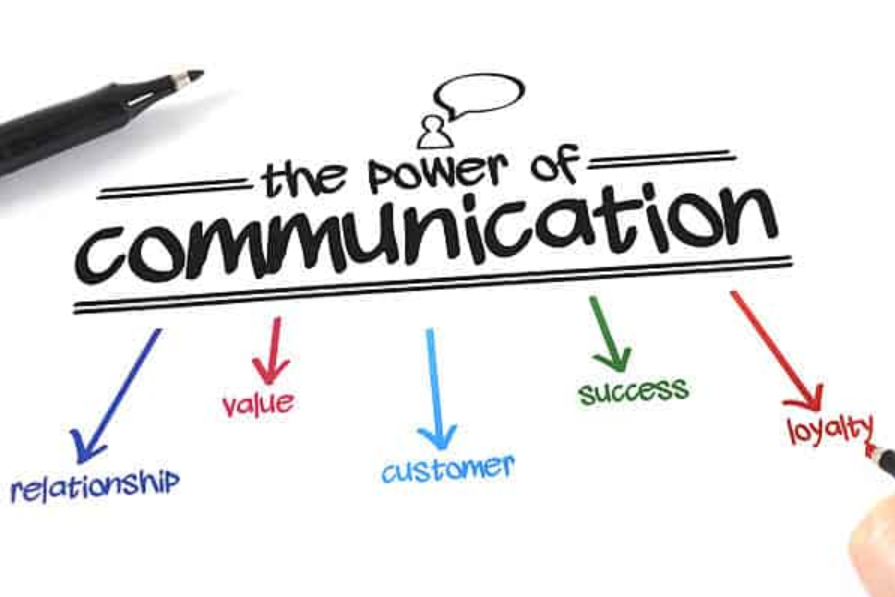
Direct, respectful communication keeps projects on track. Learn to surface risks early, clarify scope, and build trust.
Candid communication is one of the most powerful tools for technical professionals. This topic teaches you to speak openly while maintaining respect, surfacing risks early and aligning expectations clearly. You’ll practice how to deliver tough feedback without damaging relationships, how to encourage transparency from clients and colleagues, and how to model honesty that builds credibility. Done well, candid communication strengthens teams, prevents misunderstandings, and drives projects toward smoother delivery.
ready to go
upcoming unit
newly added (during the present quarter)
A quick, written synopsis on a topic, no more than 1200 words.
An informative video on a subject, no more than 20 minutes long; most are under 10 minutes.
A filmed or audio interview with a professional in the AEC industry.
20 brief activities completed daily, weekly, or monthly to build habits around a topic.
A group activity designed to plan, strategize, explore, or develop procedures.
A document, spreadsheet, or drawing that supports a task or exercise.
my library units
If you'd like to contribute new units to the library, go to your dashboard under the "contribute to the library" tab. Complete the form for your unit, which could be an article, video, interview, prompt set, template or exercise. Choose up to two topics for each unit. Your contributions will show here under "my library units".
Twennie's library units
VIDEO: The Language of Urgency
AUTHOR
Twennie Founders
Urgency shouldn’t feel like panic. In this video, you’ll learn how to use language that moves people — not just tasks — by blending clarity, empathy, and humor. We’ll unpack how tone influences speed, why heavy-handed messages cause resistance, and how to communicate deadlines that inspire cooperation instead of dread. Through real examples, you’ll see how word choice, structure, and even a touch of wit can make people act faster and feel better about the work. It’s leadership, efficiency, and humanity — all in one message.
login required
VIDEO: Candid Communication; How to Lean in to Difficult Conversations
AUTHOR
Twennie Founders
Avoiding difficult conversations causes delays, frustration, and reputation damage. This video teaches how to “eat the frog” — addressing issues early, honestly, and respectfully with clients, colleagues, contractors, the public, and even the media. You’ll learn how proactive communication prevents problems, strengthens relationships, and keeps momentum where it belongs: moving forward. Candid communication isn’t bluntness; it’s action. Say what needs to be said now, not later.
login required
VIDEO: Every Message Has a Job to Do; Communication as Active Project Management
AUTHOR
Twennie Founders
This video explores communication as the mechanism that makes technical consulting work possible. Rather than treating communication as a soft skill, it positions every message as a project management tool responsible for moving work forward, clarifying expectations, assigning accountability, supporting decisions, and reducing risk. Through examples of vague or passive workplace language, the video demonstrates how poor communication creates confusion, delay, defensiveness, cost overruns, and lost accountability.
login required
VIDEO: Expectation Setting Communication
AUTHOR
Twennie Founders
Through a story of a poorly defined brochure request, this video shows how vague expectations lead to delays, frustration, and misplaced accountability. When expectations aren’t clearly set, assumptions fill the gaps—and those assumptions become your responsibility. The video demonstrates how to respond professionally by asking specific questions about audience, purpose, format, and timeline, even when others are impatient. Expectation setting is a two-way responsibility.
login required
VIDEO: Scope Managing Communication
AUTHOR
Twennie Founders
This video introduces Twennie’s communication series by positioning communication as the core mechanism through which technical consulting projects are managed, not as a separate soft skill. Focusing on scope-managing communication, it demonstrates how tone, framing, and emotional awareness directly influence project performance, profitability, client trust, and team alignment. Through detailed client and internal team communication examples, the video contrasts defensive, transactional messaging with collaborative, confidence-building approaches that reduce friction while still protecting sco
login required
motivational
PROMPT SET: Practice Communicating Candidly One Message at a Time
AUTHOR
Twennie Founders
The Candid Communication in Project Management prompt set builds confidence in handling tough conversations that often stall projects or damage relationships. Through 20 practical prompts, learners practice communicating openly with clients, colleagues, contractors, and the public — tackling issues like missed deadlines, negativity, and scope disputes before they escalate.
why should I register for this prompt set:
to help you practice using clear, timely, and respectful communication — especially when the conversation is uncomfortable but necessary to move a project forward
login required
TEMPLATE: The First 10 Days Communication Rulebook
AUTHOR
Twennie Founders
This rulebook provides a structured approach to managing project communication from initiation through close-out. It helps project managers establish tone, define client communication cadence, document decisions, and proactively manage scope, risk, and team workload. By organizing communication into clear categories—such as orientation, decision-making, crisis response, and project closing—it transforms communication from an administrative task into a leadership tool.
login required
TEMPLATE: Client Interactions Workbook
AUTHOR
Twennie Founders
This template provides a practical framework for planning and leading client interactions across four key scenarios: connecting, knowledge gathering, repairing relationships, and ending engagements. It emphasizes listening over selling, asking purposeful questions, and extracting meaningful insight that informs business development and project delivery. With preparation worksheets, question banks, and structured meeting flows, it helps consultants approach conversations with clarity and confidence.
login required
VIDEO: Working With (and Around) a Client Who Makes Everything Harder
PROJECTED
May 1, 2026
Not all difficult clients are hostile or unreasonable — many simply operate with habits, fears, or decision styles that make progress harder than it needs to be. This unit explores how client behavior can introduce hidden risk, rework, and emotional drain, even when everyone is trying to do the right thing. You’ll learn how to recognize these patterns early, adjust your approach without becoming passive or resentful, and protect your team’s momentum and morale while still delivering professionally. It’s about influence, boundaries, and realism — not blame.
Communication is one of the most powerful project management tools available, but many project managers struggle to recognize which type of communication is needed in a given situation. The Project Managing Communication Handbook provides practical reference lists, diagnostic tools, and communication strategies organized around specific project management challenges, including scope management, risk management, team leadership, client confidence, feedback, and expectation setting.
Technical teams rarely fail because of technical knowledge alone. More often, problems emerge when communication breaks down, trust erodes, concerns go unspoken, and people become reluctant to collaborate openly. In this video, you'll learn how communication influences the emotional and operational condition of a team, and how leaders can use communication to strengthen trust, reinforce accountability, reduce burnout, and improve project performance.