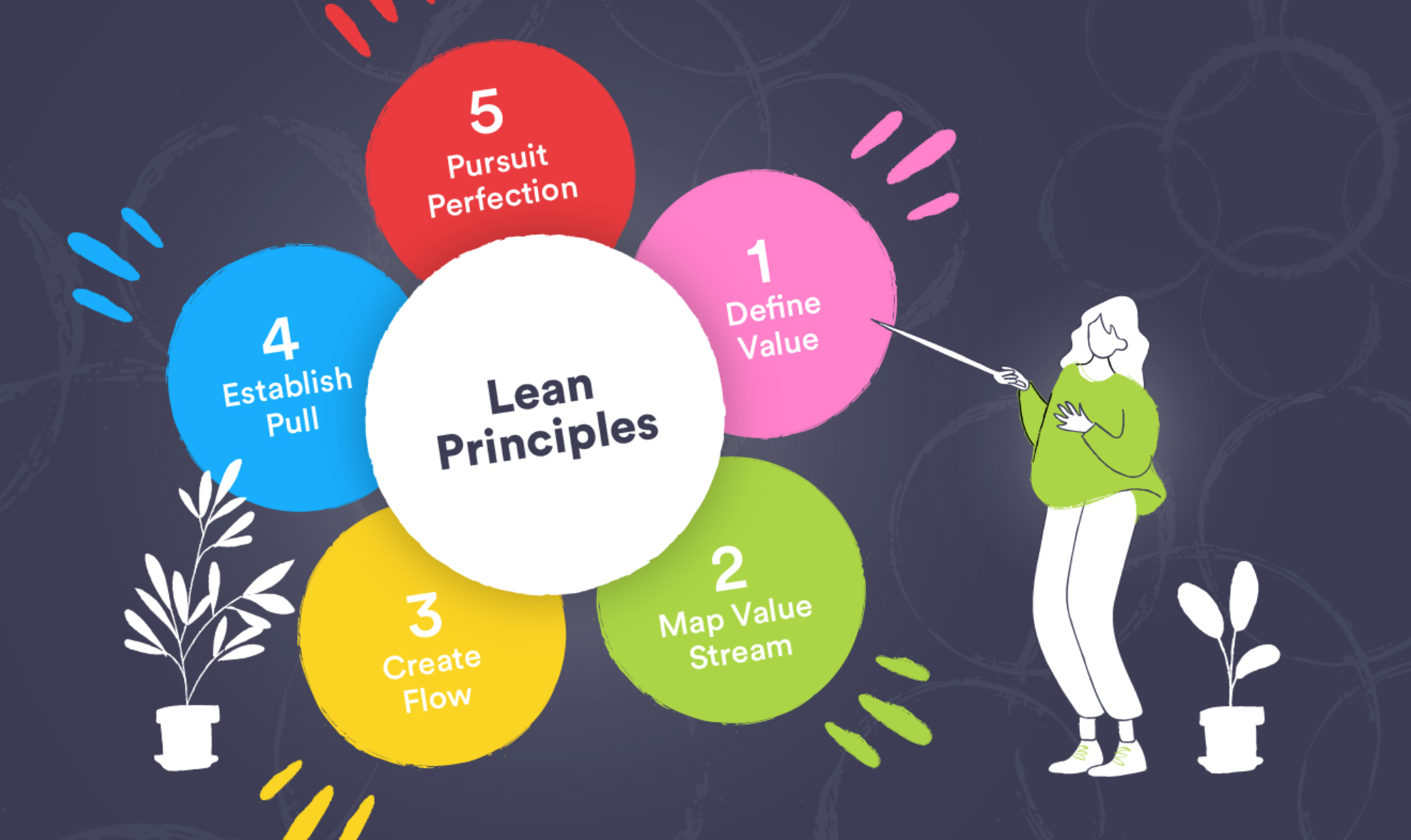
Apply Lean to projects: eliminate waste, improve flow, and embed continuous improvement in delivery practices.
Lean principles aren’t just for manufacturing—they provide powerful tools for project management. This topic introduces Lean practices that eliminate waste, improve process flow, and focus on client value. You’ll explore A3 problem-solving, value stream mapping, pull systems, and feedback loops tailored for technical services. We’ll also look at how to embed continuous improvement into project culture so teams evolve with each engagement. The payoff: projects that run smoother, waste less, and deliver more value in less time.
ready to go
upcoming unit
newly added (during the present quarter)
A quick, written synopsis on a topic, no more than 1200 words.
An informative video on a subject, no more than 20 minutes long; most are under 10 minutes.
A filmed or audio interview with a professional in the AEC industry.
20 brief activities completed daily, weekly, or monthly to build habits around a topic.
A group activity designed to plan, strategize, explore, or develop procedures.
A document, spreadsheet, or drawing that supports a task or exercise.
my library units
If you'd like to contribute new units to the library, go to your dashboard under the "contribute to the library" tab. Complete the form for your unit, which could be an article, video, interview, prompt set, template or exercise. Choose up to two topics for each unit. Your contributions will show here under "my library units".
Twennie's library units
VIDEO: Project Fast-Tracking; What You're Really Agreeing To
AUTHOR
Twennie Founders
Fast-tracking means overlapping project phases to compress schedules, but it’s often misunderstood as simple speed. Research shows it increases uncertainty, reduces predictability, and relocates risk downstream, where corrections cost more. While the term signals urgency and responsiveness in proposals, it frequently outpaces operational clarity. Used intentionally, with experienced teams and explicit risk management, fast-tracking can work. Used reactively, it creates project debt—rework, burnout, and loss of trust.
login required
VIDEO: Using Lean in Project Management
PROJECTED
November 10, 2025
Lean project management applies principles of efficiency and value creation to every stage of a project. Instead of layering on complexity, lean practices simplify workflows, eliminate waste, and improve communication between disciplines. This upcoming video explores how lean thinking empowers teams to deliver faster while maintaining quality and adaptability. You’ll see how tools like value stream mapping and incremental improvements create projects that are both efficient and resilient. Whether you’re tackling client deadlines or internal initiatives, lean project management helps you focus on what truly matters.
VIDEO: Using Lean Without Turning Your Team into a Factory
PROJECTED
July 1, 2026
Lean is often misunderstood as a tool for speed and efficiency at any cost. In technical consulting environments, that misunderstanding can turn thoughtful professionals into reluctant participants in process theater. This unit reframes Lean as a decision-making lens rather than a productivity weapon. You’ll learn how to identify real waste without oversimplifying complex work, how to use Lean principles to improve flow instead of control behavior, and how to apply Lean in a way that respects expertise, context, and the realities of human work.